Once you accept that fibre matters, the next question is practical: how do you actually increase intake without changing your entire diet?
The answer is not optimisation or perfection.
It’s simple, repeatable swaps, foods you already eat, slightly upgraded.
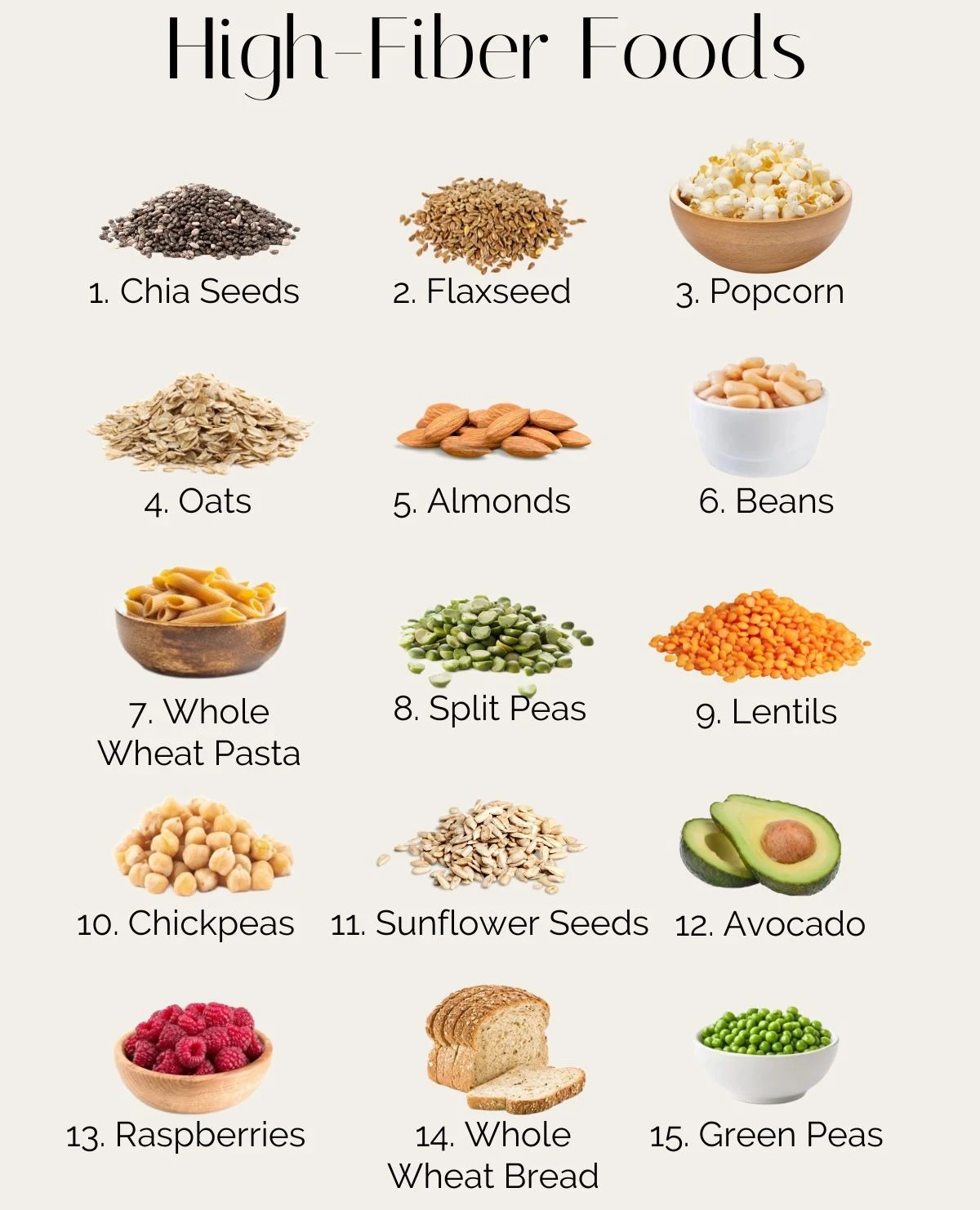
Below are examples using typical cooked portions, showing how small choices add up quickly.
Swap 1: White pasta → Wholemeal (or 50/50)
Typical portion: 100 g cooked
- White pasta: ~1.5 g fibre
- Wholemeal pasta: ~6–7 g fibre
Gain: +5 g fibre per portion
Even a 50/50 mix of white and wholemeal pasta brings you to ~4 g fibre, more than double white pasta alone, with minimal taste or texture change.
👉 One pasta meal upgraded = ~15–20% of the daily fibre target.
Swap 2: White Rice → Brown Rice (or Mixed Grains)
Typical portion: 100 g cooked
- White rice: ~0.4 g fibre
- Brown rice: ~1.8–2 g fibre
Gain: +1.4–1.6 g fibre per portion
On its own, this looks modest, but rice is often eaten frequently and in large portions. The fibre gain compounds over the week.
Even better: mixing brown rice with lentils, quinoa, or barley pushes fibre much higher without increasing volume.
Swap 3: White Bread → Wholemeal or Seeded Bread
Per slice
- White bread: ~1–2 g fibre
- Wholemeal / seeded bread: ~3–5 g fibre
Gain: +2–3 g fibre per slice
Two slices at breakfast?
That’s +4–6 g fibre before noon, without changing what the meal looks like.
Swap 4: Fruit Juice → Whole Fruit
One serving
- Fruit juice: ~0 g fibre
- Whole apple or pear (with skin): ~3–4 g fibre
Gain: +3–4 g fibre, plus better satiety and glycaemic control.
This is one of the highest return-on-effort swaps available.
Swap 5: refined snacks → Nuts or seeds, one small handful / 1 tablespoon
- Crackers / biscuits: ~<1 g fibre
- Almonds, chia, flaxseed: 2–6 g fibre
Gain: +2–5 g fibre with no meal restructuring.
What does this look like over one day?
Without changing what you eat, only which version:
- Breakfast: wholemeal toast instead of white → +4 g
- Lunch: wholemeal pasta instead of white → +5 g
- Snack: fruit instead of juice → +3 g
- Dinner: brown rice instead of white → +1.5 g
→ Total gain: ~+13–14 g fibre in one day
That’s the difference between an average intake (~18 g/day) and hitting or nearly hitting the 30 g/day recommendation, with almost zero cognitive load.
The Takeaway
Increasing fibre intake doesn’t require tracking, supplements, or dietary overhauls.
It requires defaulting to higher-fibre versions of foods you already eat.
Smart swaps work because they are:
- easy,
- repeatable,
- and sustainable over years, not weeks.
That’s how fibre intake actually increases in real life.